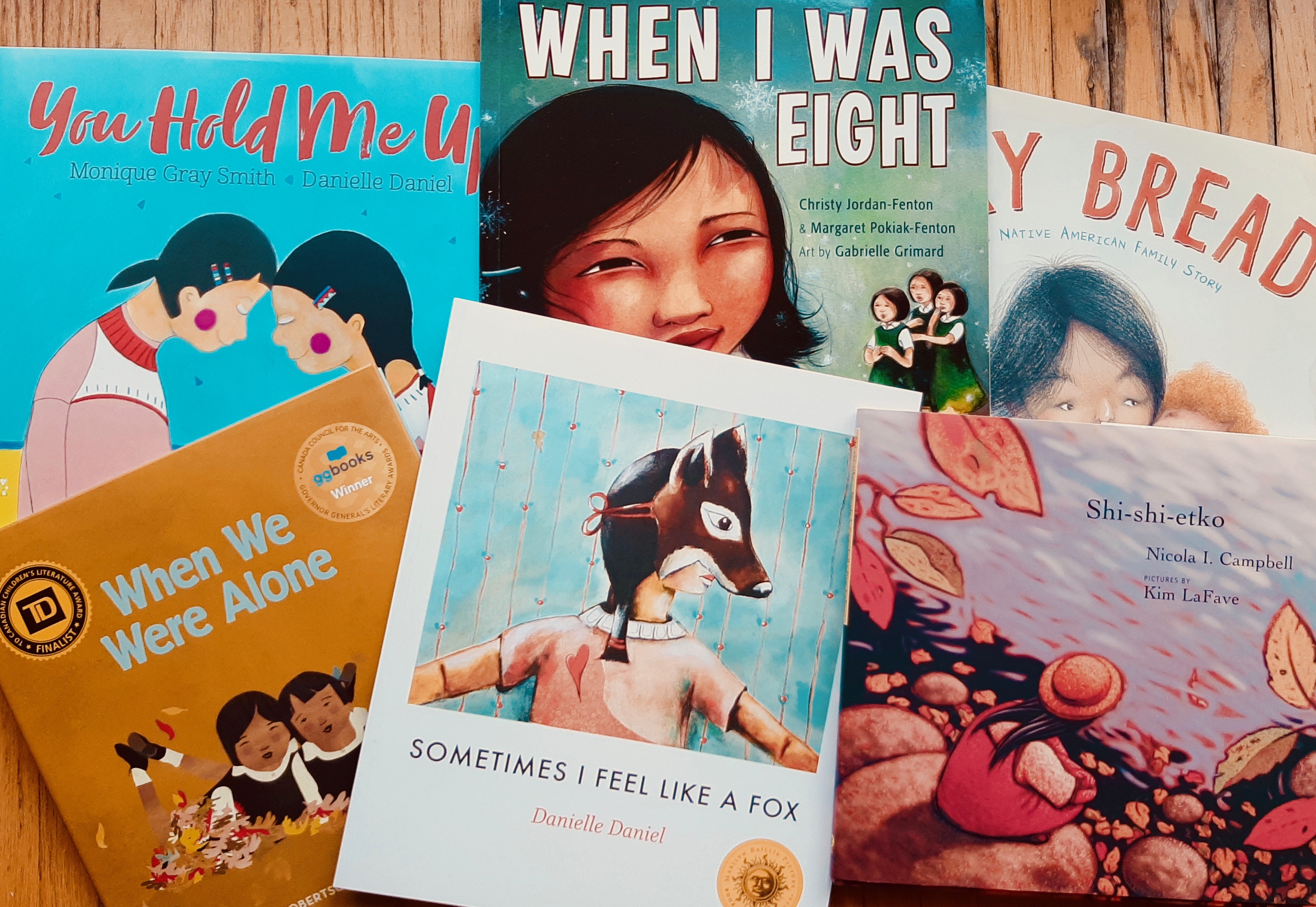
This course outlines the field of Early Childhood Education (ECE) as a profession, with the focus on Indigenous ECE in British Columbia (BC), a province entirety situated on unceded (stolen) and traditional Indigenous territories. 

Topics explored in this course include definitions of childhood and what it means to be a child; the diversity of ECE and childcare programs available in BC; the teacher’s role in the education process (socially, culturally, institutionally and politically); and current conceptual trends in ECE as a field. Practical methods to promote healthy intellectual, social, cultural and physical development among young children will be discussed, and concepts related to "school readiness" and current licensing practices and regulations for ECE in British Columbia will also be explored.

The information in this course will empower students to apply fundamental ECE theories to their current and future childcare and educational practices, leading to the formation of a thoughtful teaching philosophy applicable to supporting Indigenous and non-Indigenous children receiving and experiencing ECE. Students will examine ECE ethics, many Indigenous traditional values in respect to raising and teaching children (as well as learning from them too).

This course intentionally avoids a pan-Indigenous perspective, recognizing that Indigenous ECE is culturally specific to the practices of particular Peoples, Nations and places. It incorporates a multi-directional learning process whereby the teacher, the students and the land are positioned as already having important (and limited) Knowledges from which to share and benefit mutually and respectfully.